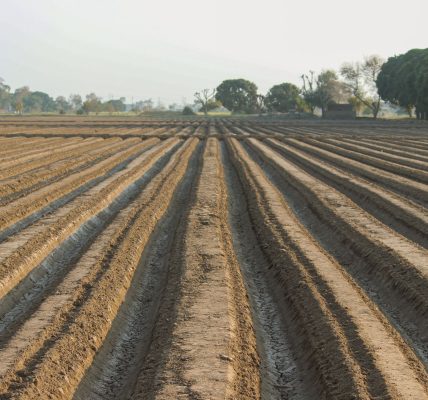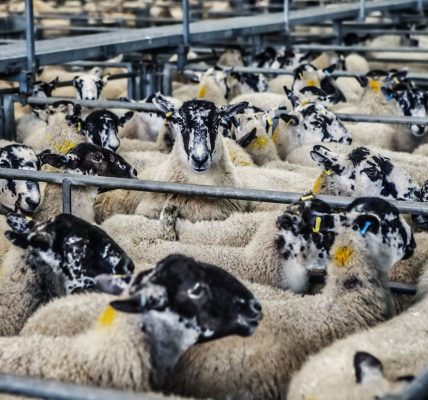



Market intervention prices are becoming a hot topic as Naidu calls for action to rein in rising costs in agriculture. This move aims to stabilize the market for farmers and consumers alike.
Understanding Market Intervention
Market intervention is a strategy employed by governments to stabilize prices and ensure that essential goods remain affordable for consumers. This approach often involves direct actions, such as setting price ceilings or floors, which can significantly impact supply and demand dynamics.
In recent discussions, political leaders have emphasized the need for effective market intervention prices to address rising costs that burden families and businesses alike. Naidu, a prominent political figure, has called for immediate measures to rein in escalating prices, particularly for basic commodities such as food and fuel.
There are several potential benefits and drawbacks to implementing market intervention:
- Benefits:
- Protects consumers from price gouging.
- Ensures essential goods remain accessible.
- Can stimulate economic activity during downturns.
- Drawbacks:
- May lead to shortages if prices are set too low.
- Can distort market signals and reduce incentive for production.
- Risk of long-term dependency on government support.
Ultimately, the effectiveness of market intervention prices depends on the specific context and implementation strategies chosen by policymakers.
The Impact of Rising Prices on Farmers
The recent surge in commodity prices has left many farmers grappling with the economic implications. With costs of production rising, the need for effective market intervention prices has become increasingly urgent. Farmers are facing challenges that threaten their livelihoods and the overall stability of the agricultural sector.
Many agricultural producers are struggling to keep pace with escalating input costs, such as seeds, fertilizers, and fuel. This situation has prompted calls from various stakeholders, including political leaders, for strategic market intervention. The aim is to stabilize prices and ensure that farmers can sustain their operations without incurring heavy losses.
As farmers express their concerns, several factors are influencing the current market landscape:
- Weather Conditions: Unpredictable weather patterns can impact crop yields significantly.
- Supply Chain Disruptions: Ongoing logistical challenges can exacerbate price volatility.
- Global Market Trends: Fluctuations in international markets directly affect local prices.
In this context, finding the right approach to market intervention prices is crucial for safeguarding the future of agriculture and ensuring food security.
Naidu’s Call to Action
In a recent statement, Naidu urged the government to take decisive action to address the challenges posed by fluctuating prices in the agricultural sector. He emphasized the necessity of implementing market intervention prices to stabilize income for farmers and ensure food security for consumers. According to Naidu, without effective intervention, many farmers risk falling deeper into debt due to rising input costs and unpredictable market dynamics.
Naidu outlined several key points in his call to action:
- Increased Support: Government support should focus on creating a safety net for farmers, ensuring they receive fair compensation for their produce.
- Price Stabilization Mechanisms: Implementing robust mechanisms can help mitigate the effects of price volatility in the agriculture market.
- Collaboration with Stakeholders: Engaging with farmers’ groups and agricultural experts is crucial to developing effective strategies.
- Monitoring and Evaluation: Regular assessment of intervention strategies will ensure they remain effective and responsive to market changes.
Naidu’s push for market intervention prices reflects a growing consensus on the need for proactive measures in the face of mounting agricultural challenges.
Strategies for Price Stabilization
In response to the escalating prices affecting agricultural outputs, several strategies for price stabilization have been proposed. These strategies aim to ensure that market intervention prices effectively support farmers while maintaining consumer affordability.
One key approach involves:
- Direct Subsidies: Providing financial assistance to farmers to help cover production costs, thus keeping their prices competitive.
- Price Floors: Establishing a minimum price level for certain crops to protect farmers from volatile market fluctuations.
- Market Access Programs: Enhancing infrastructure and logistics to improve farmers’ access to local and international markets, allowing them to sell their products at fair prices.
- Public Stockholding: Governments can purchase surplus produce during harvest seasons to stabilize market prices and release stocks during lean periods.
Furthermore, creating a transparent pricing mechanism can help in determining appropriate market intervention prices, ensuring that both farmers and consumers benefit. As Naidu emphasized, a well-coordinated approach is essential to balance the interests of all stakeholders in the agricultural economy.
Consumer Reactions to Price Changes
As prices fluctuate due to various economic pressures, consumer reactions have become increasingly vocal. Many individuals express frustration over rising costs, particularly in essential goods such as food and fuel.
Recent surveys indicate a notable shift in consumer sentiment regarding market intervention prices. A significant portion of the population supports government action to stabilize prices, emphasizing the need for affordability.
- Concerns about affordability: Consumers are worried that persistent price increases will outpace their income growth.
- Support for intervention: Many advocate for government-led initiatives to control prices, believing this will protect low-income families and ensure access to basic necessities.
- Mixed feelings on effectiveness: While some support intervention, others question its long-term effectiveness, fearing that it might distort market dynamics.
In light of rising prices and growing public concern, experts suggest that understanding consumer reactions is crucial for developing effective strategies. The debate surrounding market intervention prices will likely continue as stakeholders seek a balanced approach that addresses both consumer needs and market sustainability.
Historical Context of Market Interventions
The concept of market intervention prices has a long history, rooted in the need to stabilize agricultural markets and protect farmers from volatile price swings. Historically, governments have implemented various forms of intervention, from setting minimum price levels to establish a safety net for producers to imposing maximum prices to shield consumers from exorbitant costs.
In the late 20th century, many countries adopted policies that aimed to balance the interests of both farmers and consumers, recognizing that excessive price fluctuations could lead to significant economic distress. This era saw the introduction of price support programs and subsidies intended to stabilize market intervention prices, ensuring that farmers could maintain viable livelihoods while also providing affordable food options for consumers.
However, such interventions are not without controversy. Critics argue that they can distort market signals, leading to overproduction or underconsumption. Proponents, on the other hand, contend that without these measures, many farmers would struggle to survive in an increasingly competitive market. As the dialogue around market intervention prices continues, it remains essential to find a balance that supports agricultural sustainability while meeting consumer needs.
Future of Agricultural Pricing Policies
The future of agricultural pricing policies will largely depend on how effectively governments can balance the needs of farmers, consumers, and overall market stability. As market intervention prices play a critical role in this balance, policymakers must adopt a comprehensive approach that addresses both short-term and long-term challenges.
One key aspect to consider is the implementation of flexible pricing mechanisms that adapt to changing market conditions. This could involve a combination of direct subsidies, floor prices, and strategic reserves to ensure that farmers receive adequate support while preventing excessive price inflation for consumers.
Additionally, engaging with stakeholders across the agricultural supply chain will be essential. Farmers, distributors, and consumers all have unique perspectives that can inform more effective pricing policies. Regular consultations and feedback loops could help identify emerging issues and allow for timely adjustments to intervention strategies.
Moreover, investing in technology and data analytics can enhance the understanding of market dynamics, enabling more informed decisions regarding market intervention prices. As the agricultural sector evolves, so too must the policies that govern it, ensuring sustainability and resilience in the face of global economic challenges.
Photo by Ann H on Pexels
Read the original
Related reading