

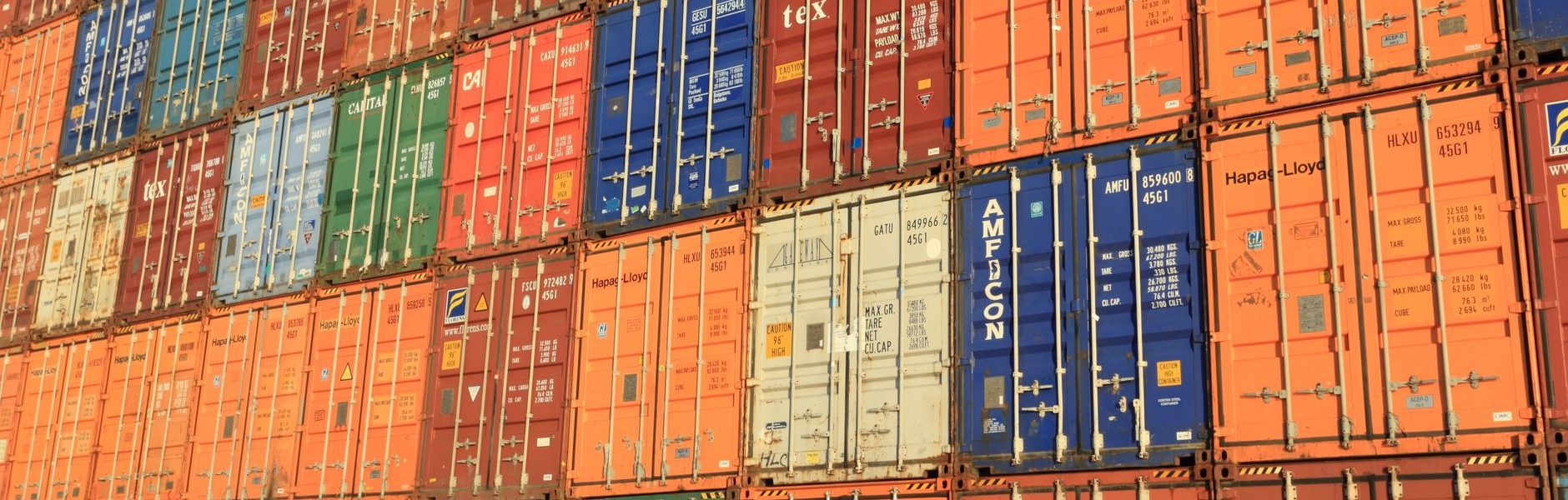

Urea import costs are declining, which is easing the subsidy strain on India’s agriculture sector. This trend is significant for farmers and the economy.
Current Trends in Urea Import Costs
Recent reports indicate that India’s urea import costs are experiencing a significant decline, which is positively impacting the overall subsidy burden on the government. This trend is expected to provide much-needed relief to the agricultural sector, where urea is a critical input for crop production.
Several factors are contributing to the decrease in urea import costs:
- Global Market Fluctuations: The international prices of urea have softened due to increased production capacities in various countries.
- Supply Chain Improvements: Enhanced logistics and transportation efficiencies are playing a crucial role in reducing overall import expenses.
- Government Policies: Favorable trade agreements and tariffs have also helped lower import costs significantly.
As a result of these developments, the Indian government is exploring ways to further optimize its urea import strategy and reduce subsidies linked to these costs. By adopting innovative practices and leveraging market opportunities, stakeholders believe there are additional avenues to ensure sustainable pricing and supply in the future.
Impact on Indian Farmers
The decreasing urea import costs are having a significant impact on Indian farmers, who have long relied on government subsidies to offset their fertilizer expenses. With the recent trends indicating a drop in import prices, farmers are starting to feel the benefits.
Many farmers are optimistic that the reduction in urea import costs will lead to less dependency on subsidies, allowing them to allocate more resources toward other necessary agricultural inputs. This shift could foster a more sustainable farming environment. However, the situation is nuanced.
- Lower Costs: As import prices decline, the overall cost of urea is expected to decrease, making it more affordable for farmers.
- Government Support: While lower import costs alleviate some financial pressure, continued government support remains crucial for ensuring farmers can access urea without excessive strain.
- Market Stability: A stable market for urea is essential for farmers to plan their planting and production cycles effectively.
In conclusion, while the easing of urea import costs creates potential for reduced subsidies, farmers must navigate a complex landscape to fully capitalize on these changes.
Government Subsidy Policies
Government subsidy policies play a crucial role in shaping the agricultural landscape in India, particularly concerning urea import costs. The increasing reliance on imported urea has led to significant financial strain on the government, as subsidies have surged to support domestic farmers. With urea import costs fluctuating, policymakers must carefully assess how subsidies impact both the economy and agricultural productivity.
One of the primary challenges faced by the government is balancing the need for affordable fertilizers with the fiscal responsibility of managing subsidies. To address this, the government is exploring innovative strategies, including:
- Encouraging domestic production: By investing in local manufacturing, the dependency on imports can be reduced, ultimately lowering urea import costs.
- Implementing smart subsidy models: Targeted subsidies based on soil health and crop requirements can ensure farmers receive the necessary support without overwhelming the budget.
- Promoting alternative fertilizers: Encouraging the use of organic fertilizers can not only reduce the reliance on urea but also enhance soil quality.
As the government navigates these policies, the goal remains clear: to minimize urea import costs while ensuring that farmers receive the support they need to thrive.
Global Fertilizer Market Analysis
The global fertilizer market has been undergoing significant changes, impacting urea import costs worldwide. As countries adapt to fluctuating agricultural demands and supply chain disruptions, the landscape of fertilizer pricing continues to evolve.
Several factors contribute to the current trends in the global fertilizer market, including:
- Supply Chain Efficiency: Enhanced logistics and shipping routes have led to reduced transportation costs, directly influencing urea import costs.
- Production Innovations: Advances in production techniques are enabling manufacturers to produce urea more efficiently, driving down costs.
- Global Demand Shifts: Changes in crop patterns and sustainable practices are reshaping demand, leading to price adjustments in the fertilizer sector.
In addition, geopolitical factors, such as trade agreements and sanctions, play a crucial role in determining the availability and pricing of fertilizers. Countries that rely heavily on imports are particularly sensitive to these fluctuations, which can significantly affect local agricultural economics.
As urea import costs continue to decline, the implications for government subsidies and farmer profitability remain critical to monitor, highlighting the need for adaptive strategies in this dynamic market.
Future Projections for Urea Prices
As the global fertilizer market continues to evolve, future projections for urea prices remain a critical area of focus for policymakers and farmers alike. Analysts predict that urea import costs may stabilize, influenced by several factors that could either mitigate or exacerbate price fluctuations.
One significant factor is the ongoing geopolitical climate, which affects shipping routes and trade agreements. Additionally, advancements in agricultural technology may lead to increased efficiency in urea usage, potentially lowering overall demand for imports.
Experts also suggest that the sustainability movement could play a role in future pricing. As countries push towards more environmentally friendly practices, the demand for synthetic fertilizers like urea may shift, impacting import costs.
To navigate these uncertainties, stakeholders are encouraged to adopt proven strategies that can help reduce dependency on costly imports. By investing in local production capabilities and exploring alternative fertilizers, farmers and the government can work toward a more resilient agricultural framework.
Ultimately, understanding these future projections for urea prices is essential for planning and implementing effective subsidy policies that support the agricultural sector while managing urea import costs.
Strategies for Cost Management
As urea import costs continue to decline, it is crucial for stakeholders to implement effective strategies for cost management. By focusing on several proven techniques, the agricultural sector can better navigate the challenges associated with fertilizer expenses.
- Bulk Purchasing: Farmers and cooperatives can pool resources to purchase urea in larger quantities, thereby benefiting from economies of scale and reducing overall import costs.
- Alternative Fertilizers: Exploring organic and bio-fertilizers can provide cost-effective solutions while minimizing dependency on urea imports.
- Precision Agriculture: Utilizing technology to optimize fertilizer application can enhance crop yields and reduce waste, leading to lower overall costs.
- Government Collaboration: Engaging with government bodies to advocate for favorable policies and support systems can help mitigate the impact of urea import costs on farmers.
- Research and Development: Investing in R&D for more efficient fertilizer use can pave the way for sustainable practices and lower costs in the long run.
By adopting these strategies, stakeholders can effectively manage urea import costs and reduce the financial burden on farmers while ensuring agricultural productivity.
Photo by Pixabay on Pexels
Where this came from
You might also like