

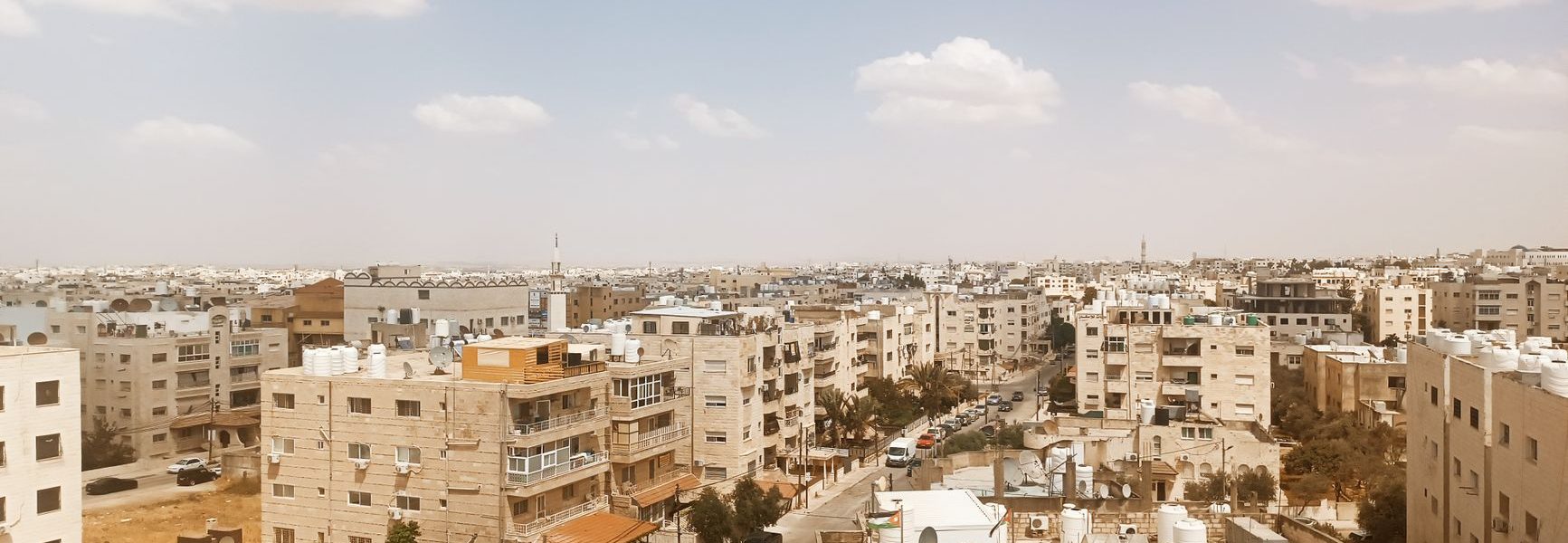

Middle East expansion is a crucial move for The Kaftan Company as it seeks to broaden its market presence. This strategic decision highlights the brand’s ambition to tap into new consumer bases and enhance its global footprint.
Overview of The Kaftan Company’s Strategy
The Kaftan Company has strategically positioned itself to capitalize on the burgeoning market opportunities in the Middle East. With a focus on expanding its retail footprint, the company aims to tap into the region’s growing demand for traditional and contemporary apparel.
Key elements of The Kaftan Company’s strategy include:
- Market Research: Conducting extensive research to understand consumer preferences and trends in the Middle East.
- Partnerships: Establishing collaborations with local retailers to enhance market penetration and operational efficiency.
- Brand Localization: Adapting product offerings to resonate with the cultural and aesthetic values of Middle Eastern customers.
- Digital Presence: Leveraging e-commerce platforms to reach a wider audience and facilitate online shopping experiences.
By focusing on these strategic pillars, The Kaftan Company aims to create a strong presence in the Middle East, thereby driving growth and establishing itself as a leader in the regional retail market. The emphasis on understanding local dynamics underscores the company’s commitment to a successful Middle East expansion, ultimately contributing to its long-term success and sustainability.
Market Potential in the Middle East
The Middle East presents a unique opportunity for retail growth, characterized by a rapidly evolving market landscape and a burgeoning consumer base. With high disposable incomes and a growing appetite for luxury and lifestyle products, retailers are increasingly eyeing this region for expansion.
The Kaftan Company’s strategic focus on Middle East expansion is underscored by several compelling factors:
- Diverse Consumer Demographics: The Middle East is home to a wide range of cultures and preferences, providing retailers with the chance to tailor their offerings to meet varying consumer needs.
- Growing Urbanization: Rapid urban development in key cities such as Dubai, Riyadh, and Doha is creating vibrant retail environments that attract both local and international brands.
- Digital Transformation: The shift towards e-commerce and digital storefronts is opening new avenues for retailers, allowing them to reach consumers more effectively than ever.
- Government Initiatives: Many Middle Eastern governments are actively supporting economic diversification and encouraging foreign investments, making the region more appealing for international brands.
As The Kaftan Company leverages these opportunities, it is well-positioned to make significant inroads into the Middle East market, showcasing the proven growth strategy that can redefine retail success in the region.
Challenges of Expansion
The Middle East expansion presents a range of challenges that companies must navigate to achieve success. Despite the lucrative opportunities in the region, several factors can hinder growth and profitability.
- Regulatory Hurdles: Each country in the Middle East has its own set of regulations and compliance requirements. Understanding and adapting to these laws can be time-consuming and complex.
- Cultural Differences: Businesses must be aware of the diverse cultures and consumer behaviors across the Middle Eastern countries. A strategy that works in one nation may not resonate in another.
- Market Competition: The retail market in the Middle East is becoming increasingly competitive, with both local and international brands vying for consumer attention. Companies need to differentiate themselves to capture market share.
- Supply Chain Challenges: Establishing a reliable supply chain can be difficult due to geographical barriers and varying infrastructure standards across the region.
- Consumer Preferences: Understanding the local customer preferences is crucial. Preferences can vary significantly, requiring tailored marketing and product offerings.
In summary, while the prospects for Middle East expansion are promising, businesses must approach the market with a strategic plan that addresses these challenges effectively.
Consumer Trends in the Region
As the Middle East expansion continues to gain momentum, understanding consumer trends in the region is crucial for retailers aiming to establish a foothold. The diverse demographics and evolving preferences have created a unique market landscape that businesses must navigate.
One significant trend is the growing demand for luxury products. Consumers in the Middle East are increasingly prioritizing high-quality, premium brands, reflecting a shift towards a more upscale shopping experience. In addition, the region’s young population, with a median age of just 30, is driving a surge in online shopping, particularly through mobile platforms.
Another trend is the emphasis on sustainability. Middle Eastern consumers are becoming more conscious of their purchasing decisions, seeking brands that align with their values. This includes a preference for eco-friendly products and transparent sourcing practices.
Moreover, cultural influences play a vital role in shaping consumer behavior. Traditional values intertwine with modern influences, leading to a unique shopping experience. Retailers must adapt their offerings to resonate with local customs while also catering to international tastes.
In summary, the Middle East expansion presents a wealth of opportunities driven by evolving consumer preferences, making it essential for retailers to stay attuned to these trends to succeed in the competitive market.
Competitive Landscape Analysis
The competitive landscape in the Middle East is evolving, presenting both opportunities and challenges for companies aiming for expansion. The Kaftan Company, in particular, recognizes the importance of understanding the dynamics of this market to effectively position itself against competitors.
Key players in the region include local brands that have established strong customer loyalty and international retailers that bring diverse offerings. As the demand for fashion continues to grow, retailers must adapt their strategies to stand out. In this context, the concept of Middle East expansion becomes crucial for those looking to capture a larger market share.
- Local Brands: Many local brands have a deep understanding of cultural preferences, which allows them to cater to the tastes of the regional consumer base.
- International Retailers: These companies often leverage their global experience and supply chains to introduce new trends while maintaining competitive pricing.
- Market Entry Strategies: Successful entrants often utilize partnerships or franchise models to mitigate risks associated with entering a new market.
To thrive, businesses need to continuously monitor competitors, consumer behavior, and market trends. Adapting to the nuances of the Middle Eastern retail environment will be key to achieving sustainable growth and maintaining a competitive edge.
Future Projections for Growth
The future projections for growth in the Middle East expansion of retail are promising, driven by several key factors that indicate a robust market environment.
Industry experts predict that the region will experience significant increases in consumer spending, which is expected to rise by 20% over the next five years. This growth is largely attributed to an expanding middle class and increasing foreign investments. Additionally, the ongoing digital transformation in the region is anticipated to enhance the shopping experience, making it more convenient for consumers.
Moreover, the shift towards e-commerce is likely to accelerate, with online retail projected to see a 30% annual growth rate. This trend offers an advantageous platform for businesses looking to establish a foothold in the market.
Key projections include:
- Expansion of brick-and-mortar stores: Retailers are expected to open new locations in urban centers.
- Increased partnerships: Collaborations between local and international brands will enhance market reach.
- Investment in technology: Retailers will invest in innovative solutions to streamline operations.
In conclusion, the Middle East expansion presents a lucrative opportunity for retailers, given the favorable economic indicators and evolving consumer behaviors in the region.
Conclusion and Key Takeaways
In conclusion, the Middle East expansion presents a remarkable opportunity for retailers seeking to tap into a dynamic and evolving market. The insights gathered throughout this article highlight several key takeaways for businesses considering this growth strategy.
- Market Potential: The Middle East offers a unique blend of affluent consumers and a growing middle class, making it a lucrative destination for retail expansion.
- Consumer Trends: Understanding local preferences and adapting to cultural nuances is crucial for success in this diverse region.
- Challenges of Expansion: While opportunities abound, businesses must navigate regulatory hurdles and supply chain complexities to establish a foothold.
- Competitive Landscape: Analyzing the competition and leveraging unique selling propositions can provide a significant advantage in attracting consumers.
- Future Projections: With the ongoing investment in infrastructure and technology, the retail sector in the Middle East is poised for sustained growth.
Ultimately, for companies like The Kaftan Company, embracing the Middle East expansion can lead to enhanced brand visibility and increased revenue streams. By strategically addressing the challenges and maximizing the opportunities, retailers can secure their place in this promising market.
As retailers explore new markets, Middle East expansion has emerged as a proven growth strategy for retail brands seeking to diversify their portfolios. By understanding local consumer behavior, companies can leverage Middle East expansion to maximize their reach and profitability.
Photo by Moath AlOmari on Pexels
Where this came from
Related stories